TRCC News
CDEK Bangkok’s Yuri Marinich moderates RTIF 2026 logistics session
Shipping operators and exporters discussed how to shorten transit times, simplify cargo paperwork and help smaller Thai businesses reach the Russian market.
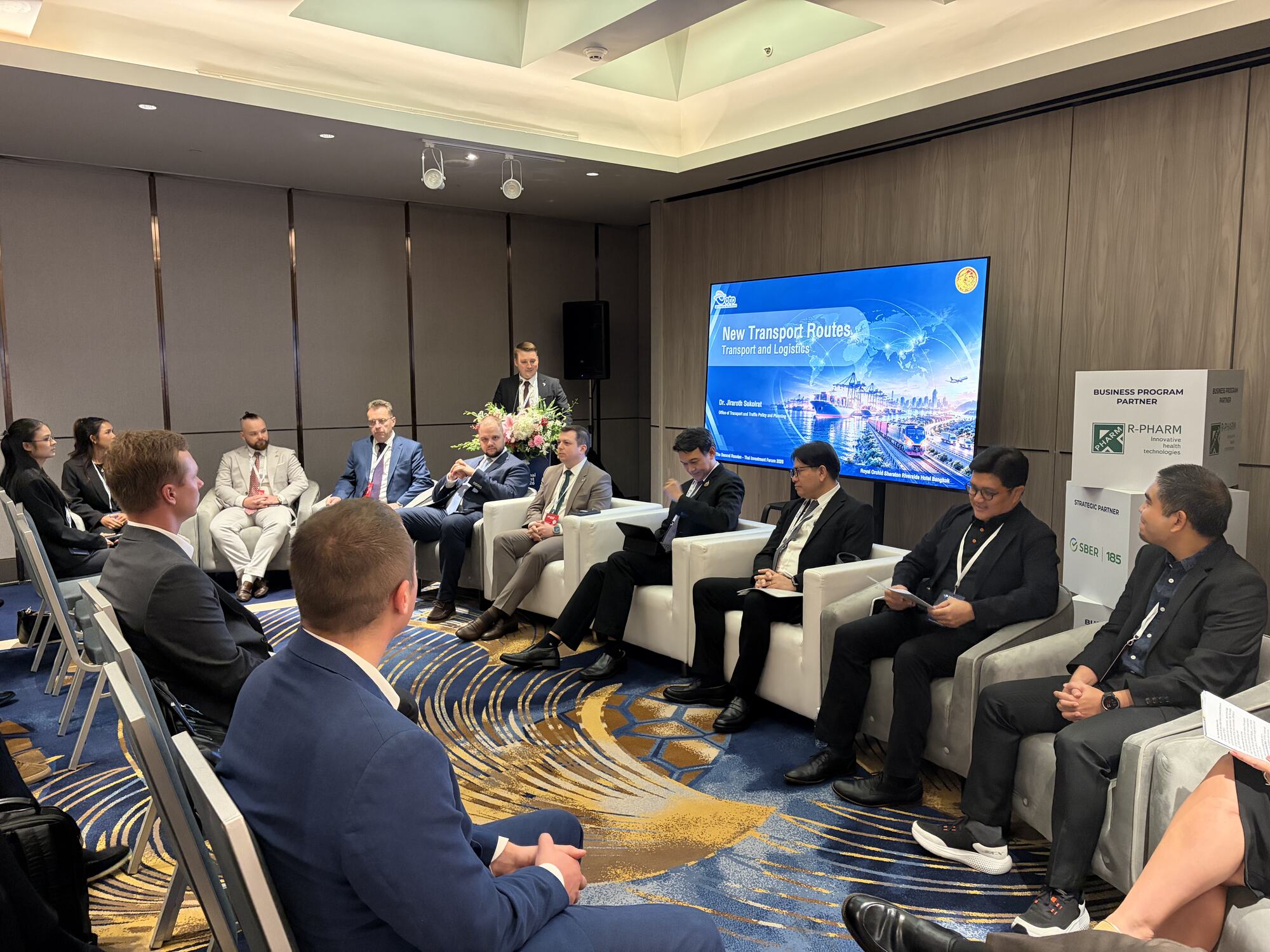
The session, “New Transport Routes: Transport and Logistics”, brought shipping operators, freight forwarders and exporters together at the Royal Orchid Sheraton Riverside Hotel Bangkok. FESCO was the session partner.
Opening the discussion, Dr. Jiraroth Sukolrat, Director-General of Thailand’s Office of Transport and Traffic Policy and Planning (OTP), pointed to a memorandum of intent signed by the two countries’ transport ministries in Moscow in August 2026. He outlined expert exchanges, electronic documents and compatible systems as the next steps.
A direct sea link needs cargo in both directions
Participants compared the existing Bangkok–Vladivostok journey, taking 20 days or more with transshipment, with a potential direct service estimated at 10–12 days. Both figures refer to the sea leg, before onward delivery within Russia.Alexander Priskoka, CEO of FESCO’s subsidiary in Vietnam, said a direct service would need around 300 TEU of cargo per vessel in each direction. A TEU is the equivalent of one twenty-foot container. Sufficient cargo on both legs would therefore be central to making the service viable.
Cargo volumes, paperwork and payments
Kongrit Chantrik, Executive Director of the Thai National Shippers’ Council, proposed setting up a working group and launching a pilot project.Kiattanapat Buribun of EDI Siam called for cargo data to be submitted in advance and entered only once. His proposal addressed repeated data entry as goods move between companies and transport services.
Participants also identified cross-border payments as a major obstacle to trade.
Starting small and building export volumes
Nattanan Yamdee of CDEK Bangkok described how smaller Thai brands can begin with a first shipment and expand deliveries to Russia as demand develops. The CDEK presentation covered parcels, trial batches and larger consignments, bringing the discussion from full containers to the needs of businesses entering a new market.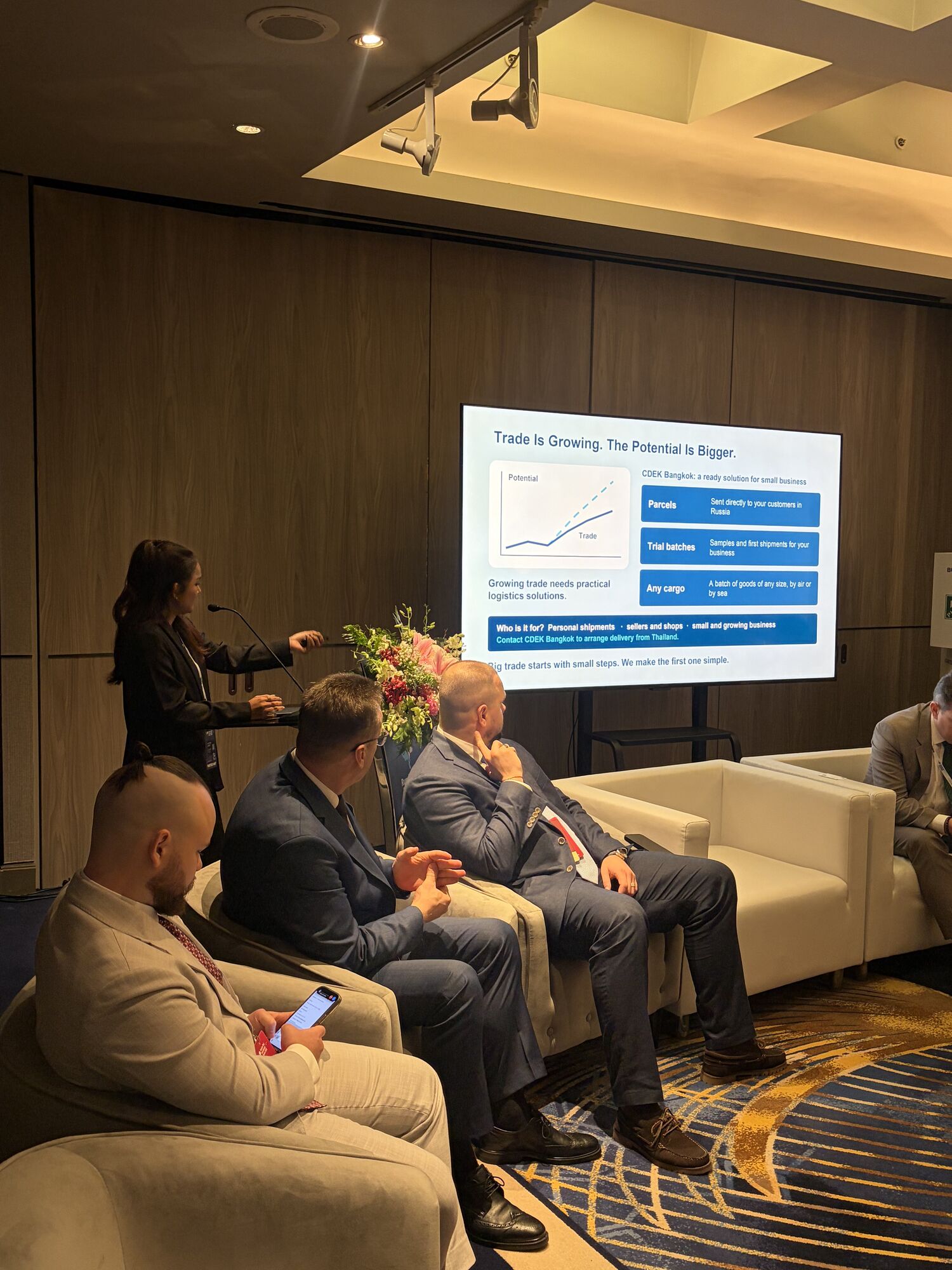
Routes and next steps
Egor Dogonashev of Thai Logist compared sea and rail routes between Thailand and Russia, including their indicative transit times and the operational constraints affecting route selection.For route details and the presentation, see Egor Dogonashev’s comparison of Thailand–Russia freight routes.
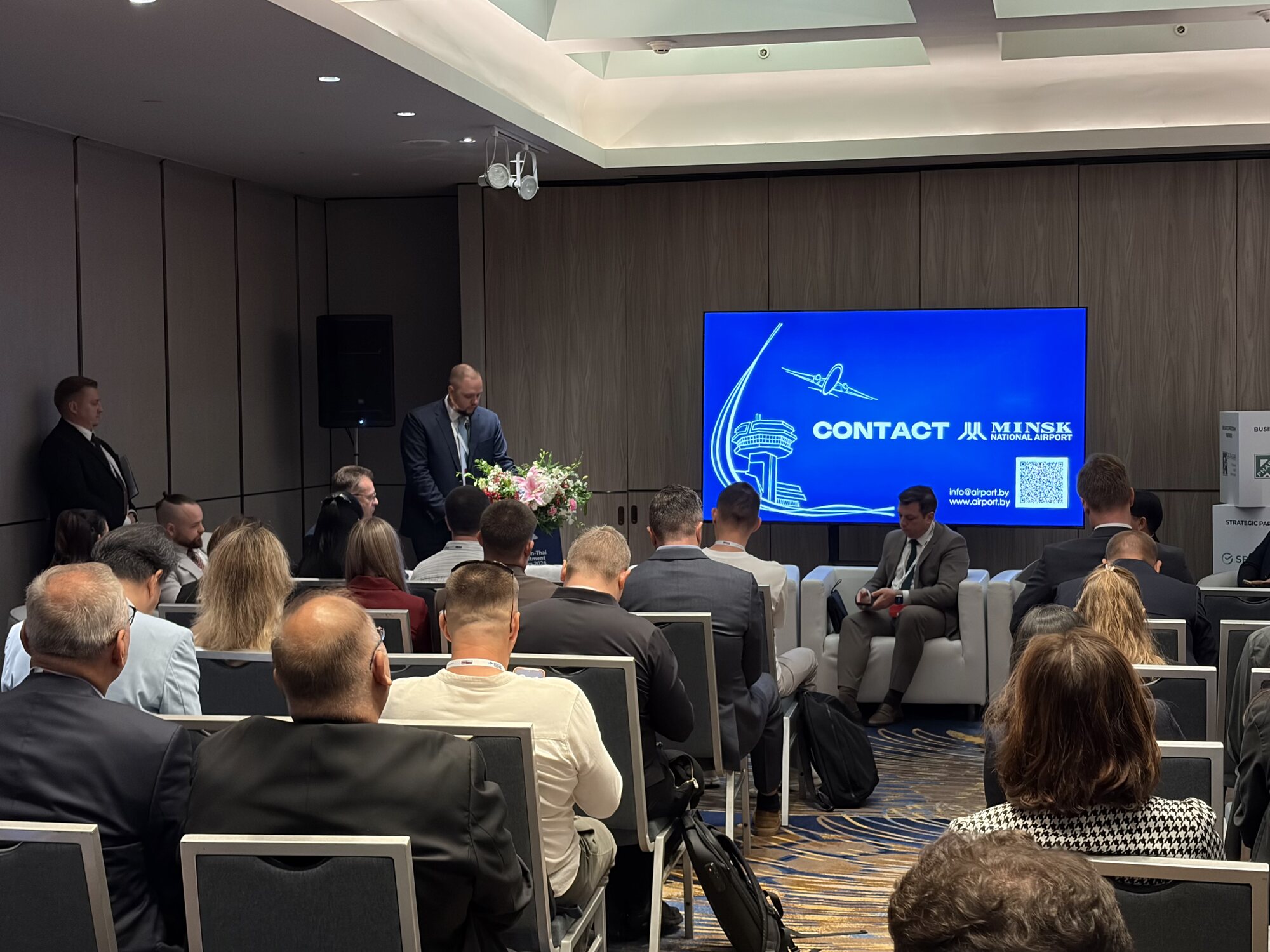
Other speakers included Roman Kudin of Transit, Nikita Seredich of Minsk National Airport, Nattapume Pavaratn of SCGJWD, Vladimir Kravchenko of Import-Tekhnika and Natalie Zolotova of ISTRAC.
Explore the II Russian–Thai Investment Forum 2026
Contact TRCC about business cooperation
Reporting based on Yuri Marinich’s account of the session and the forum programme.
Event details, registration and documents
Partner Event Russian-Thai Business Council (RTBC)
From to
II Russian–Thai Investment Forum 2026
The II Russian–Thai Investment Forum brings companies, institutions and business associations from Russia and Thailand together in Bangkok for three days of investment dialogue, …
View event