TRCC News
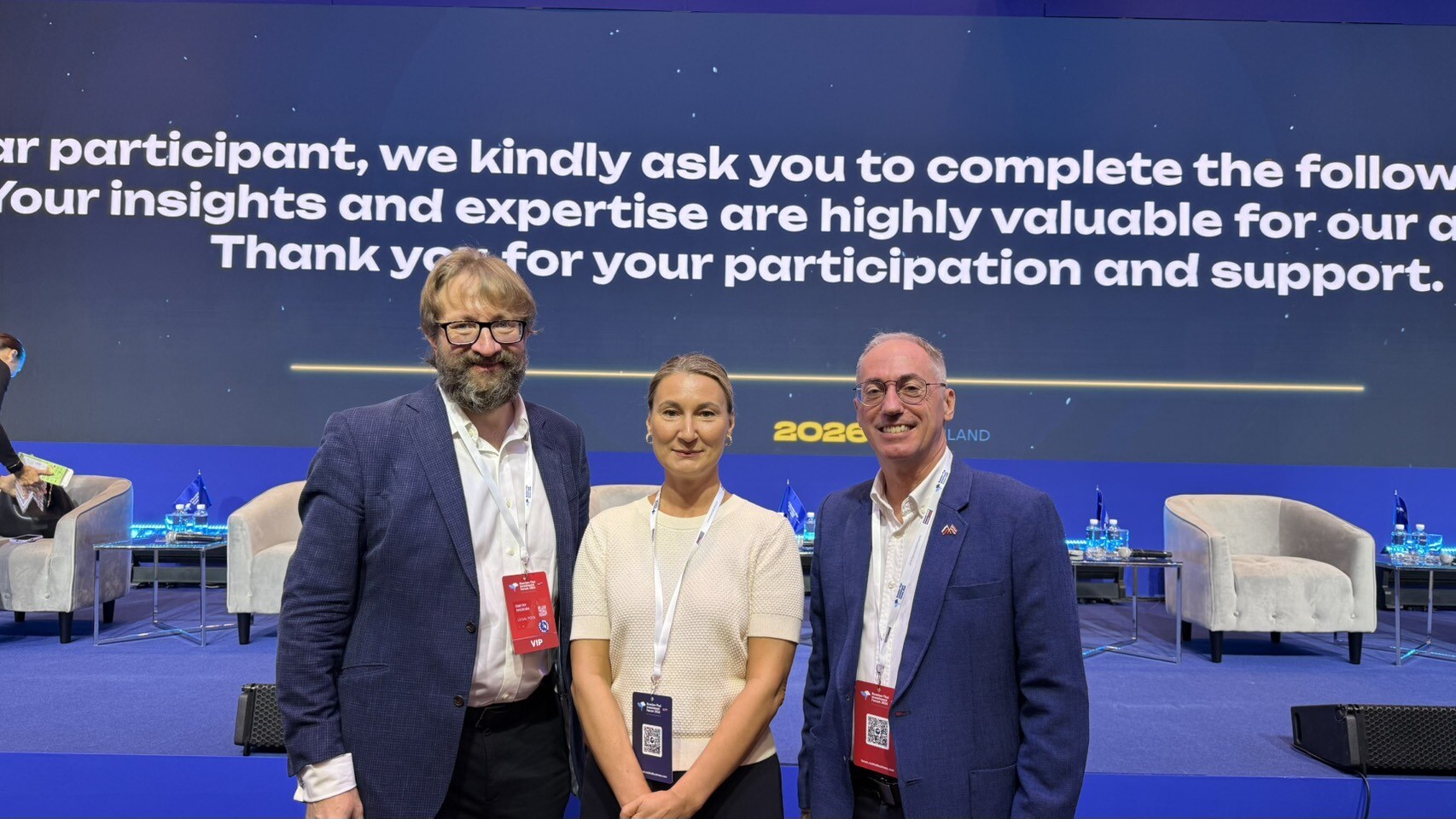
Siam Trade Development’s Diego Sala highlights export risks at RTIF 2026
At RTIF 2026, Siam Trade Development’s Diego Sala explained why exporters should check regulatory requirements before shipping, alongside the opportunities and obstacles in Thailand–Russia trade.
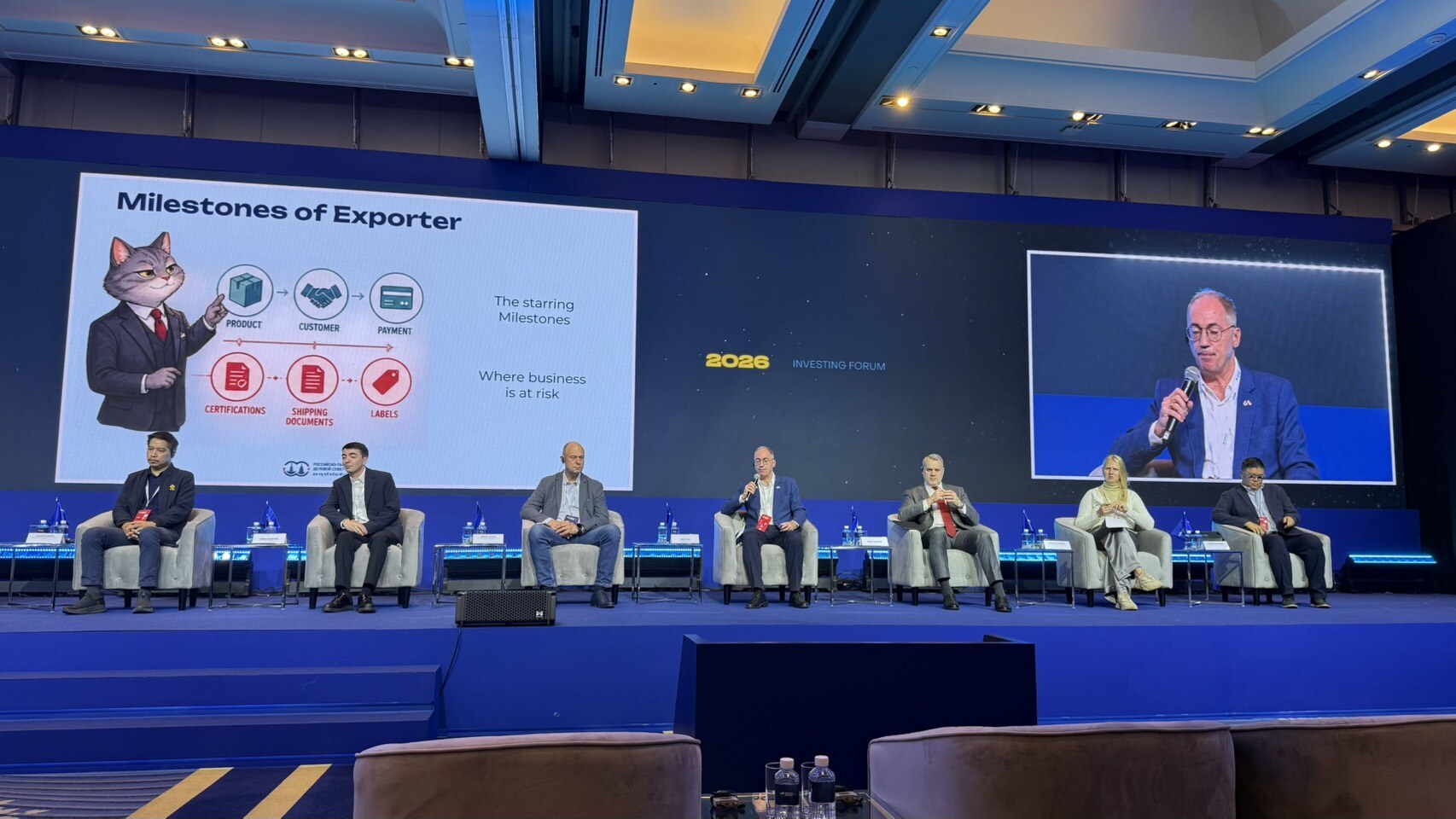
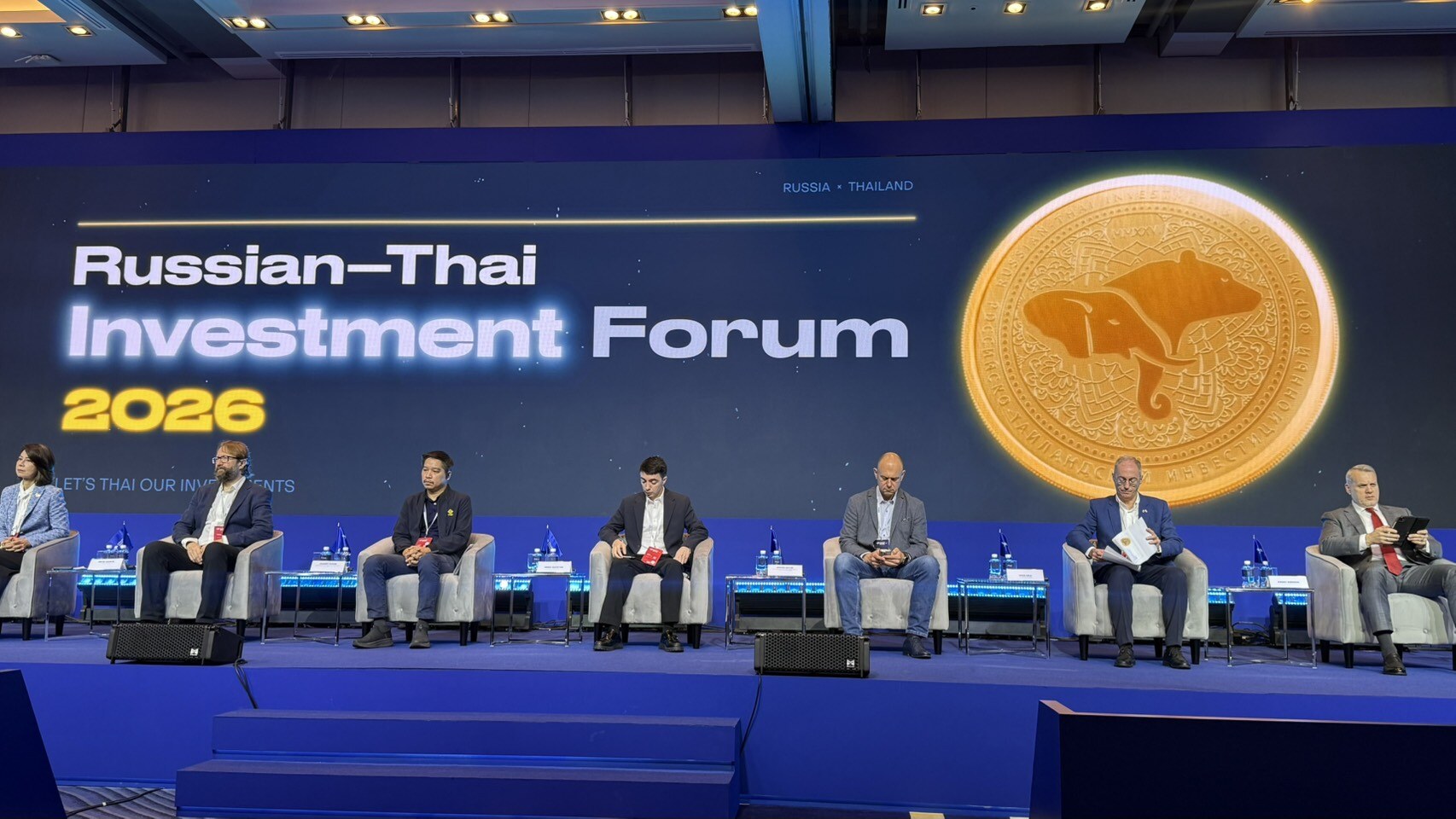
Sala, who also serves as TRCC Treasurer, spoke at the “Made in Russia” and the Russian–Thai Trade Platform session at the Royal Orchid Sheraton Riverside Hotel Bangkok. The discussion was moderated by Vladimir Kovalev, Executive Director of the Russian–Thai Business Council.
His presentation, Between the Port and the Shelf: Regulatory Risk Mitigation for Russian Exporters in Thailand, examined the gap between securing a buyer and getting a product into consumers’ hands. He focused on the first 90 days of an export operation, when unresolved paperwork can delay a product’s route to market.
Checking requirements before goods leave the exporter
Sala identified three recurring problems. A quality certificate may be valid yet cover a different product, production site or scope, or may not be recognised by the importing authority. He advised checking its applicability before shipment, when discrepancies can still be addressed without leaving cargo waiting in a warehouse.Licences and authorisations require equally early attention. Exporters and importers should establish which approvals are needed and agree in writing who is responsible for obtaining them, rather than assume that the other party has made the arrangements.
Labels were the third concern. Sala highlighted missing required information in Thai and inconsistencies between labels, certificates and shipping documents. Checking artwork before printing, he said, can prevent problems that are harder to correct after the goods have arrived.
Market entry does not end at customs
The presentation also addressed what happens after a product reaches the shelf. Food, beverages and cosmetics can face further inspections, testing and checks on labels or product claims. Sala described regulatory support as an ongoing part of managing commercial risk, extending beyond obtaining an import licence.He cited experience of contracts being cancelled because certification requirements had not been resolved. His recommendation was to carry out a preliminary assessment before negotiations and shipment commitments, so that exporters and distributors know what they can deliver.
“The best shipment is the one that arrives without problems.”
Food trade opportunities and payment constraints
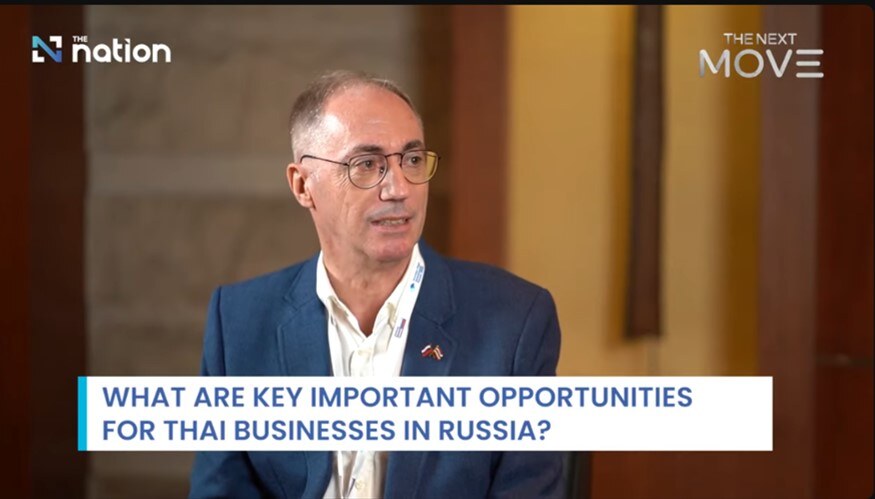
In a separate interview with The Nation’s The Next Move, Sala identified food as a promising area for trade in both directions. He pointed to the countries’ different cuisines and growing interest in each other’s products.He also described a more cautious investment climate. In his assessment, difficulties moving money and geopolitical uncertainty can restrain business interest even where commercial opportunities exist.
Sala also took part in the forum’s Food & Agriculture round table, according to Siam Trade Development’s account of its participation. This complemented his panel contribution on the practical requirements for entering the Thai market.
For more from the forum, read Egor Dogonashev’s comparison of Thailand–Russia freight routes and view the II Russian–Thai Investment Forum 2026 event page.
Sources and further reading
Presentation and event photographs supplied by Diego Sala.Official RTIF 2026 programme
The Nation’s report on the trade-platform session — 31 October 2026.
Siam Trade Development’s account of its participation — 1 November 2026.
Documents
Presentation
Download document
Between the Port and the Shelf — Diego Sala at RTIF 2026
Ten-slide presentation by Diego Sala, Managing Director of Siam Trade Development, for RTIF 2026. Covers certification, licensing, labelling and post-market risks for exporters entering Thailand.
Event details, registration and documents
Partner Event Russian-Thai Business Council (RTBC)
From to
II Russian–Thai Investment Forum 2026
The II Russian–Thai Investment Forum brings companies, institutions and business associations from Russia and Thailand together in Bangkok for three days of investment dialogue, …
View eventMedia
Photo Gallery